
You pull one card because something feels unresolved. Maybe someone has gone quiet. Maybe a job offer looks good on paper, but you are still hesitating. Maybe the same card has appeared three mornings in a row and you are not sure what to do with it.
Start before the card meaning. Write one plain sentence about what has actually happened. Then ask the card to help you notice the part you may be missing: the pattern, the timing, the choice, or the conversation that needs to happen.
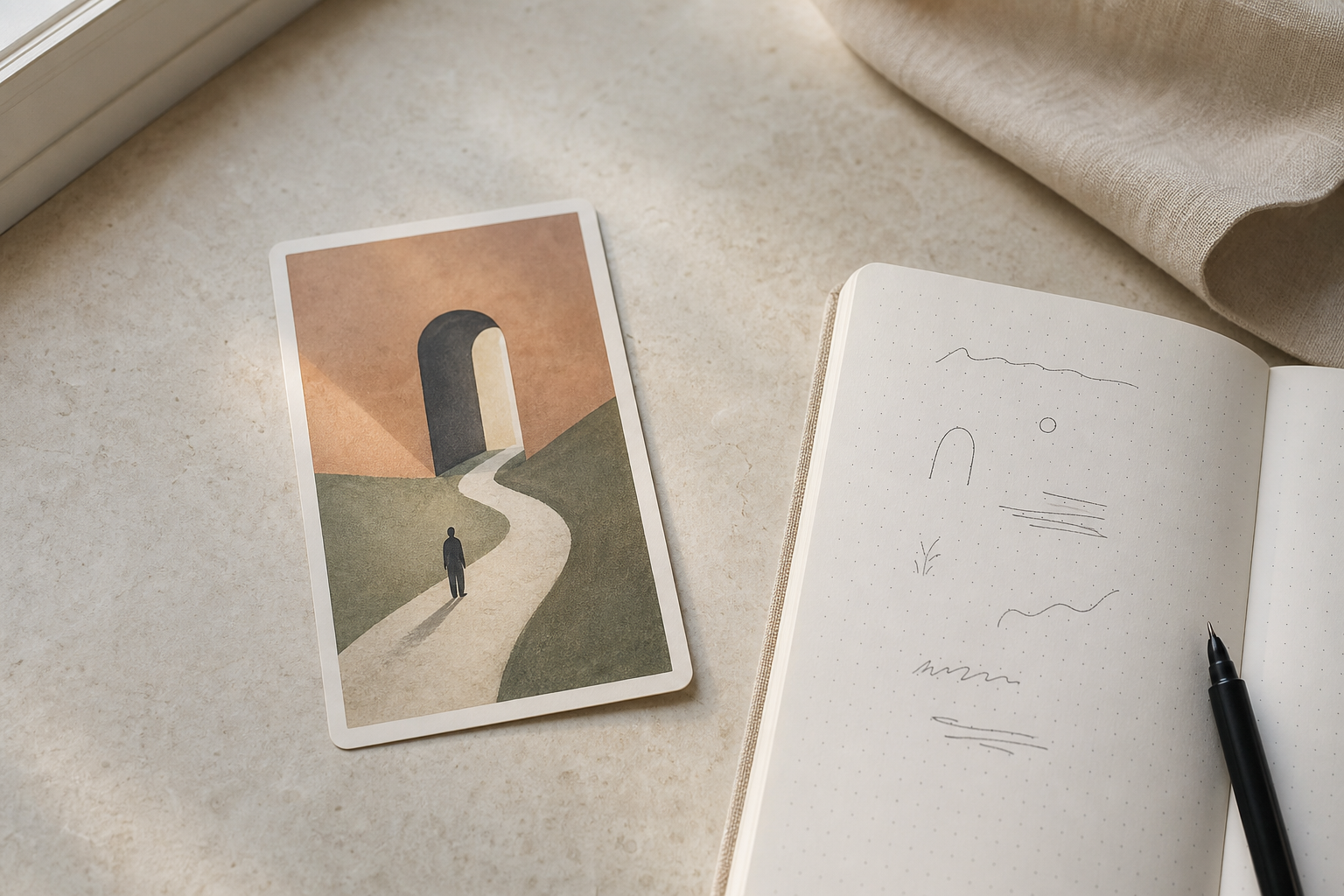
The card is part of the reading. What has actually happened belongs in the reading too.
Start with what has actually happened
Before shuffling, describe the situation without interpreting it. This keeps a worried mind from turning one card into five different stories.
- They have not replied since Friday.
- I have been offered a new role, but the hours are unclear.
- I keep postponing a conversation I know I need to have.
- I have pulled the same card three times this week.
Now write the question underneath. Instead of asking for a verdict, ask what you need to understand next: What am I overlooking? What is developing here? What needs more time? What can I choose today?
For relationship uncertainty, these love tarot questions show how to move from guessing what another person feels to reading the connection in front of you.
Why one card is often enough when you feel unsure
A large spread can be useful, but it also gives an anxious mind more material to rearrange. One card creates a clear boundary. You stay with one image long enough to hear what it adds to the situation.
A deck with readable scenes makes this easier. Rider-Waite-Smith imagery appears across many books and classes, so beginners can compare interpretations without learning a completely private visual language. If you are still choosing, see how to choose a first tarot deck that fits the way you learn.
As an Amazon Associate, Opal Arc earns from qualifying purchases. The recommendations here are limited to tools that make a one-card practice easier to begin and repeat.
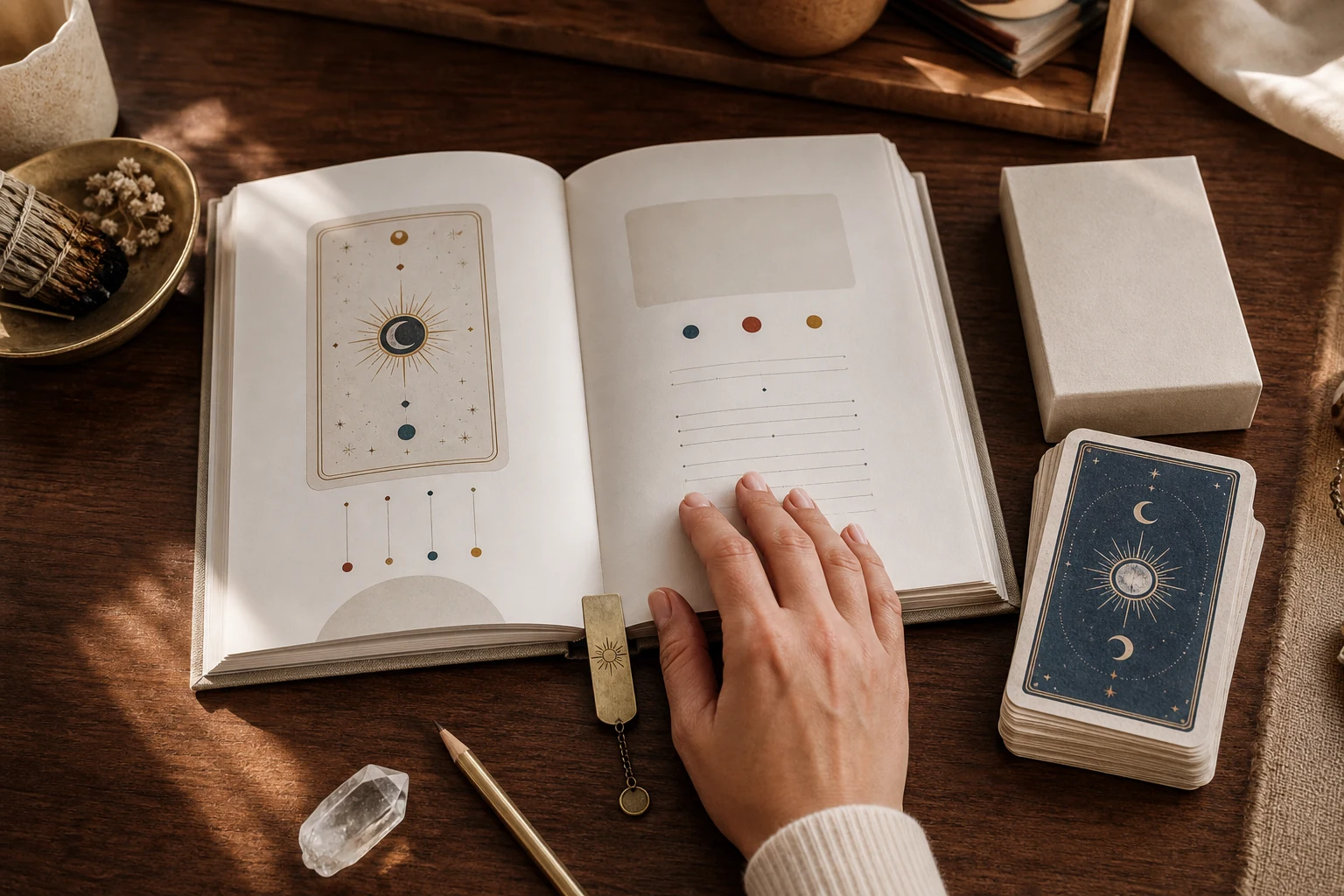 For a structured starting point: source a similar guided tarot deck and book
Try this five-step one-card method
Give yourself about ten minutes. The point is not to produce a perfect interpretation. It is to leave the table knowing what you noticed and what you will do with it.
- Name the situation. Write one sentence made of facts.
- Pull one card. Look at the image before opening the guidebook.
- Notice one detail. Choose the figure, gesture, object, color, or direction that catches you first.
- Connect it to your life. Ask where that same tension or movement is already present.
- Choose one next step. Keep it small enough to do before another reading.
Suppose the card shows someone gripping what they own. You may notice the closed posture before you remember any traditional meaning. In your situation, that image might point to holding a position too tightly, protecting yourself from loss, or waiting for certainty before you move.

What this can look like in real life
When someone has gone quiet
If someone has stopped replying and you pull the Two of Swords, begin with the stalemate already present: their silence, your uncertainty, and the decision you keep postponing. Ask: What do I need to know before I reach out again? The card may help you see whether you need a conversation, a pause, or a clearer boundary.
When a work opportunity appears
The Two of Wands may bring your attention to planning, distance, or a wider possibility. Place that beside the actual offer. What information is missing? What would make the opportunity worth the disruption? Your action may be to ask about scope, schedule, or support before deciding.
When your question is about timing
Temperance can suggest gradual movement, adjustment, and the need for two parts to come into balance. That does not automatically mean waiting forever. It may mean allowing one more conversation, testing a smaller version of the plan, or watching whether the situation becomes more consistent over the next week.
Read the traditional meaning beside your situation
Looking up a card is part of learning. Observe first, then read the guidebook and compare its themes with what is happening in your life. Keep the meanings that illuminate the question; leave aside details that do not fit this reading.
Traditional meanings give you a shared language, while the card's figures, weather, objects, and direction add texture. Tarot as a pattern language explores this way of reading symbols in more depth.
Write down what changed after the card
Your notes do not need to be beautiful. Four short lines are enough to make the reading useful later.
- The situation I asked about
- The card and the detail I noticed first
- What the image helped me see
- The next step I chose
Dating the entry matters. When you return a week later, you can compare the reading with what actually happened. For a fuller page method, use what to write in a tarot journal after pulling a card.
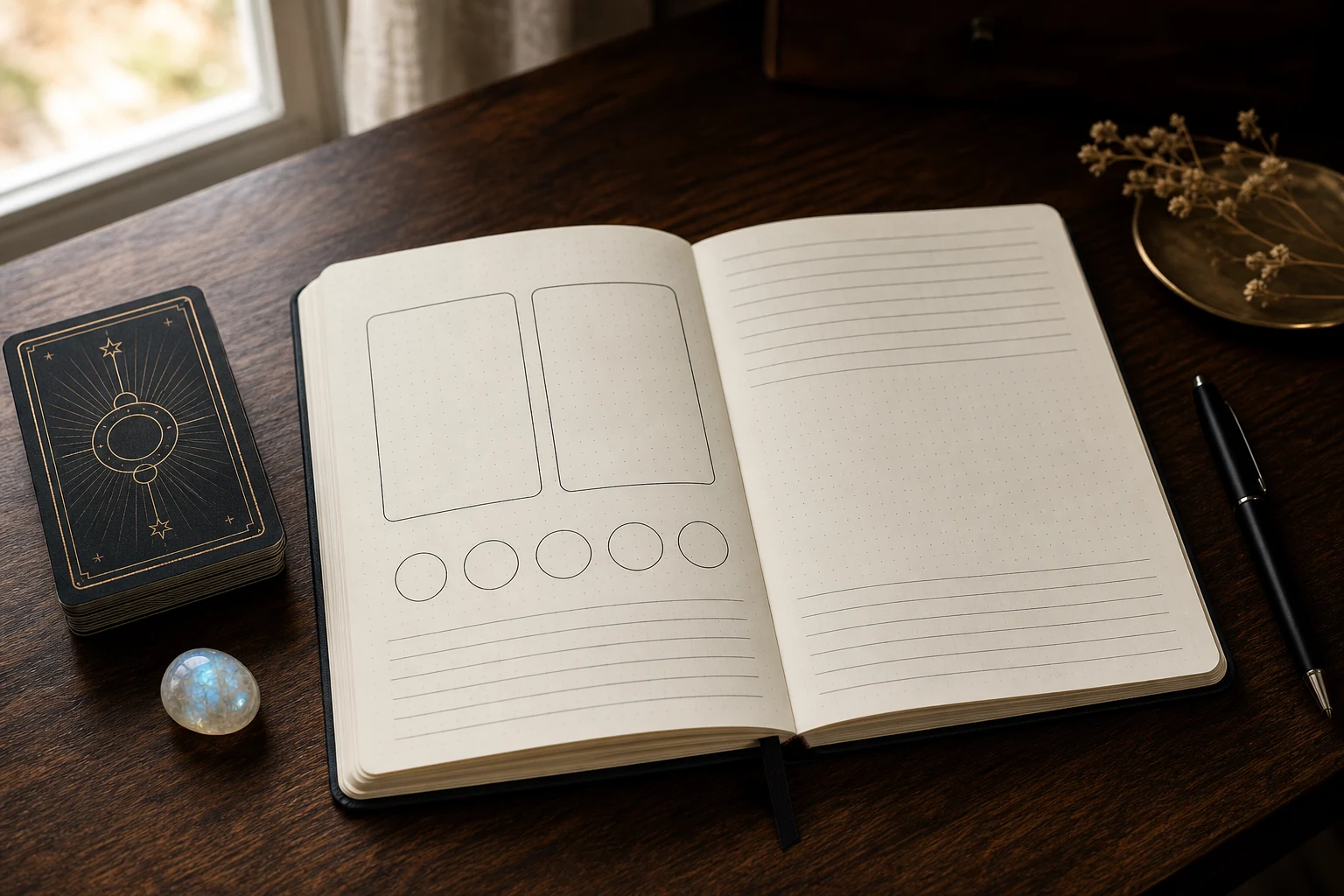 For keeping dated reading notes: source a similar dotted A5 journal
A notebook that opens without fuss and a fine-point black gel pen are enough. The setup should make it easier to write, not become another collection to perfect.
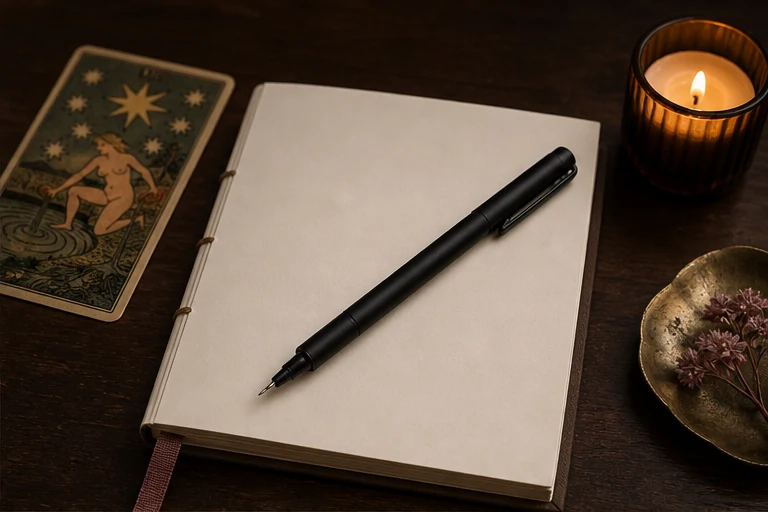 Writing tool: source a similar fine-point black gel pen
When another card will not help
Sometimes one card turns into six because none of them has removed the uncertainty. You look up more meanings, change the question slightly, and keep pulling because you want relief more than information. That is a good moment to close the deck.
- Write down the answer you were hoping to receive.
- Return to what the other person, workplace, or situation has already shown you.
- Choose one action that does not require another card.
Take one step before the next reading
A next step should be smaller than the question. You might wait until tomorrow before texting, ask one direct question about the job, write down the evidence you have, or notice whether a promise is followed by consistent action.
Then date the entry and return later. Over time, those notes show which cards repeat, which questions keep returning, and which choices changed the situation. A future Opal Arc Tarot companion can make that record more useful by comparing past readings, helping reframe a stuck question, and noticing patterns across separate pages.
Try the method for seven days
If one card often turns into several because you are unsure what to write, begin with the free 7-Day Tarot Reflection Guide. Each page gives the reading a small container: what happened, what stood out in the card, and what you want to do next.
When seven days no longer feels like enough, the Opal Arc Tarot Journal Starter adds printable daily pages, three-card readings, and a weekly pattern review.